


Rugs
9,441 Results







Raymour & Flanigan
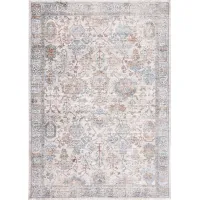
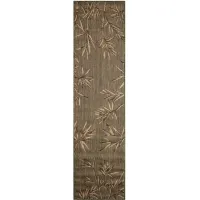
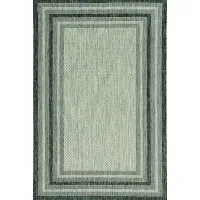
Carmel Bamboo Border Rug in Green by Trans-Ocean Import Co Inc



Raymour & Flanigan
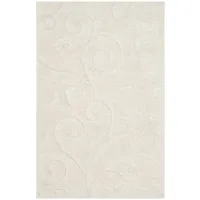
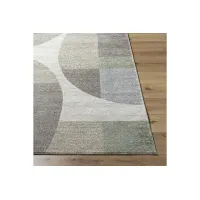
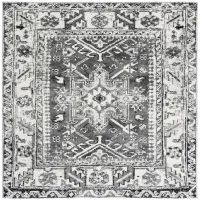
Darius Grey Area Rug Square in Grey & Ivory by Safavieh

Raymour & Flanigan
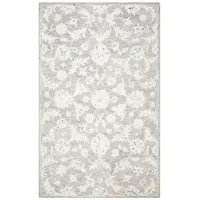
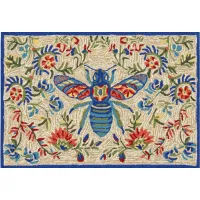
Frontporch Flora Bee Rug in Multi/natural by Trans-Ocean Import Co Inc

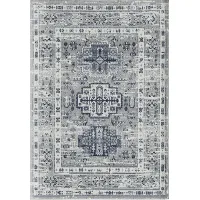

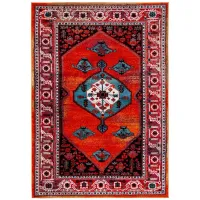

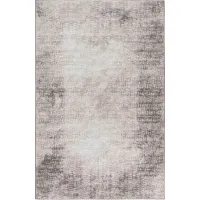

Big Sandy Home Furnishings
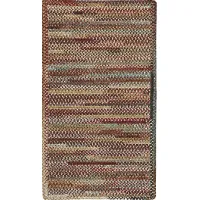
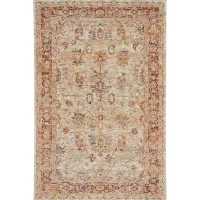
Dalyn Rug Company Winslow Taupe 5'x8' Style 2 Area Rug
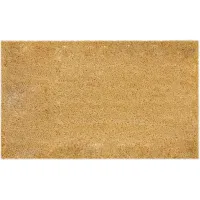





HOM Furniture
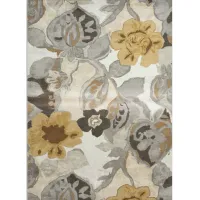
Petal Pusher Taupe Grey Area Rug - 5 0 x 8 0






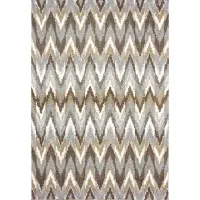

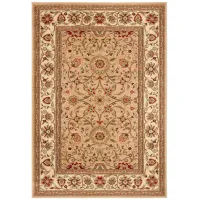

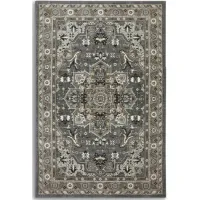

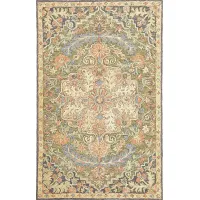

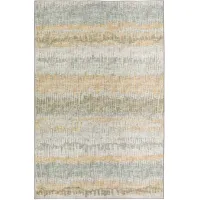

Big Sandy Home Furnishings
Dalyn Rug Company Winslow Khaki 5'x8' Style 1 Area Rug
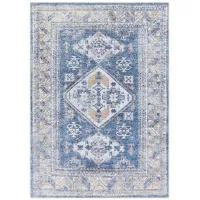

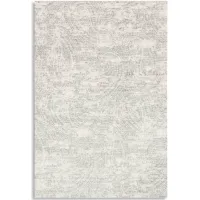

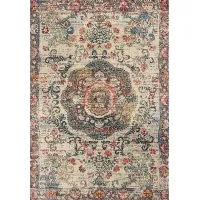

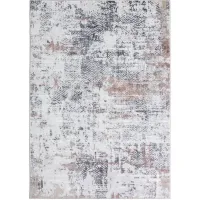

Big Sandy Home Furnishings
Signature Design by Ashley® Redlings Multi 8'x10' Medium Area Rug
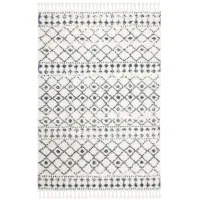

Raymour & Flanigan
Berber Fringe Shag Area Rug in Cream/Blue by Safavieh
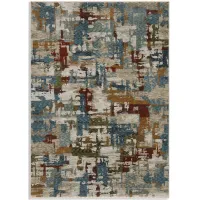

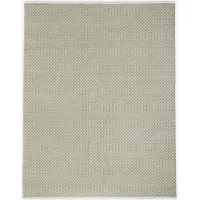

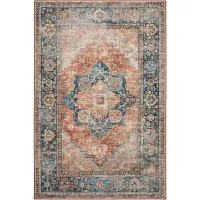

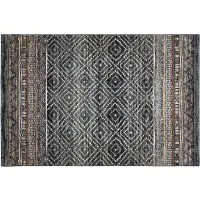

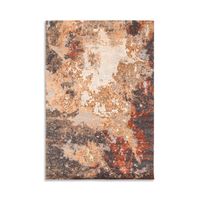

HOM Furniture
Galaxy Amber Hand Knotted 2 6 x 4 0 Area Rug





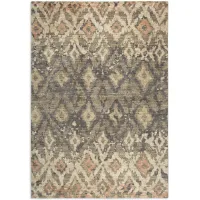



When it comes to pulling the look (and feel) of a room together, consider the rug your most trusty accomplice. Not only can the perfect rug unify color schemes, anchor varying furniture styles and make a small space feel larger or a large space more inviting—it also does double-duty in protecting flooring from daily wear-and-tear, or hiding imperfections. But, with so many options out there, it can often be one of the trickiest purchases a homeowner makes; for example, what is the best size, material or color? And what about the level of maintenance required for fabric care?
No worries—we’re here to help. Whether it serves as the design inspiration for the rest of the room, or simply used as a functional accent (hello, sound-proofing), here’s our guide to finding the right rug for every use.
SIZE
Variations in rug sizing have the power to completely change the perception of a room’s overall space—which is why choosing the right size is so crucial. For example, an open floor concept will benefit from a rug’s ability to add a cozier, more inviting feel, while smaller rooms can be made to appear larger.
Pro Tip: A good rule of thumb to follow is taking the general measurements of the room and going 1-2 feet smaller. Or, use painter’s tape to block off the areas you’d like to cover, and go from there.
LIVING ROOM
- Ensure that at least the two front legs of your sofa (and any neighboring armchairs) are on the rug.
- For open floor plan space, all the furniture should fit on the rug to leave a clean aesthetic flow in the surrounding area.
- Typical sizes: 8x10, 9x12, 10x14
BEDROOM
- For larger rooms, choose a rug that fits under both the entire bed and night tables.
- For smaller rooms, choose a rug that fits under the bed, or, opt for small area rugs to either side.
- Typical sizes: Queen Bed – 8x10, King Bed – 9x12
DINING ROOM
- Use the dining table as your guideline; you’ll want the rug to be large enough to still accommodate pushed-back dining chairs.
- Leave at least 12 inches around the perimeter of the room.
- Typical sizes: 6x9, 8x10, 9x12
KITCHEN
- Runners are great for adding depth and dimension—because it won’t be anchored by furniture, be sure to pair it with a slip-proof rug pad underneath.
- Typical sizes: 2x3, 3x5
ENTRY WAY
- Consider runners and small area rugs are the perfect companion for narrow hallways and spaces.
- Typical sizes: 2.5x7, 2.5x10
OUTDOOR
- Select your size using the dimensions of your patio or deck as a point of reference; you’ll want to leave about 12-24 inches of visible floor around your rug.
- Typical sizes: 5x7, 6x9, 9x12
Read the full guide
